
By Eve Muthoni
For an East African business, competitiveness is not an abstract policy concept. It comes down to a few practical questions: Can the business finance an order? Can it produce at the right price? Can it move its goods across borders predictably and affordably? And when those goods finally reach the market, can it still compete?
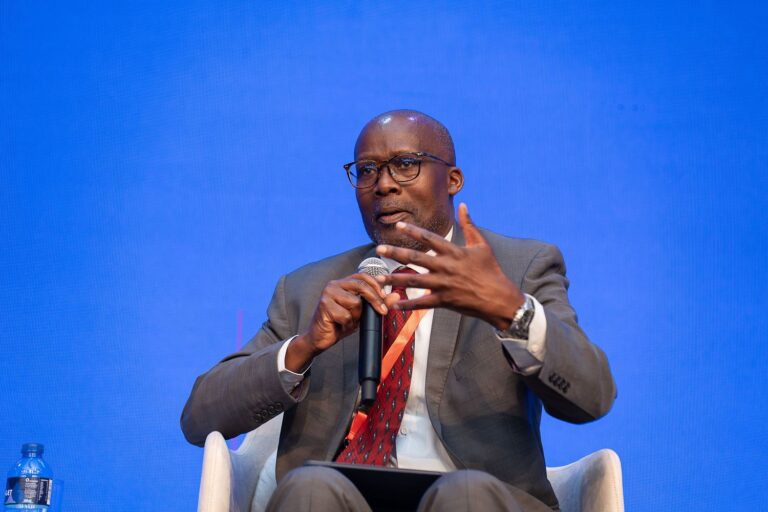
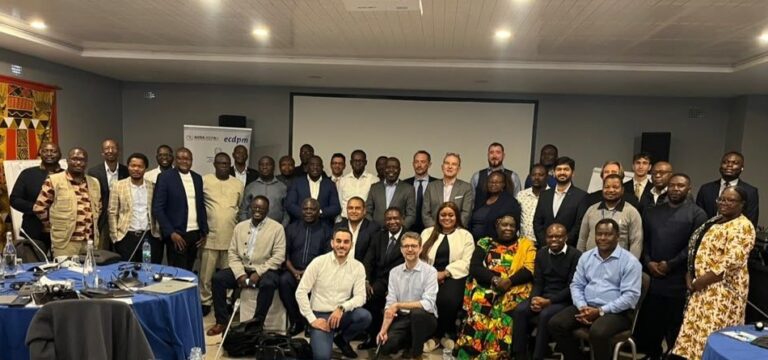
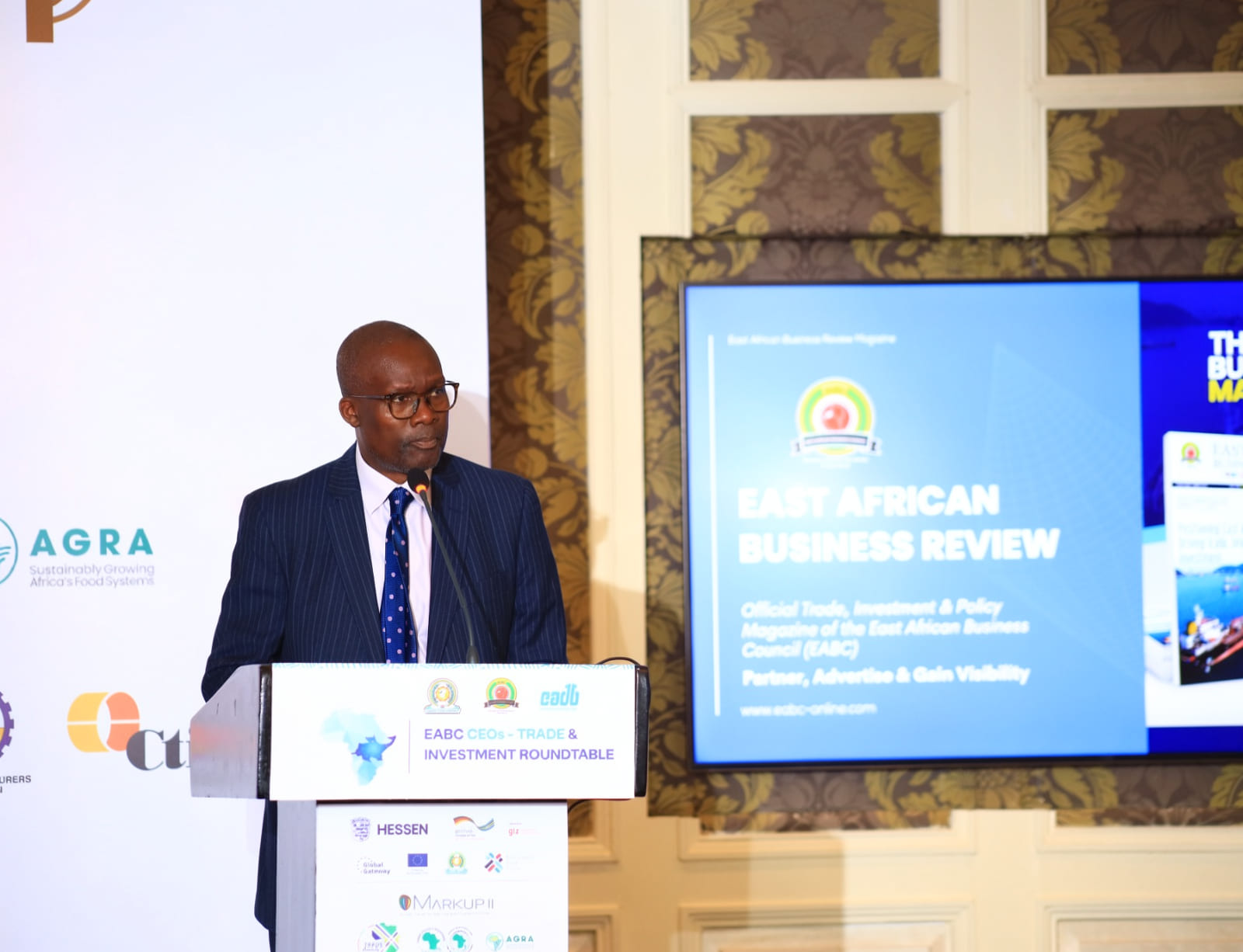
These questions framed Trade Catalyst Africa CEO Duncan Onyango’s remarks at the East African Business Council CEOs Trade and Investment Roundtable, held in Nairobi, Kenya on August 11, 2026. The meeting brought together regional business and investment leaders ahead of the East Africa CEO and Investment Forum scheduled for September 2026.
Speaking on enhancing the competitiveness of the East African Community (EAC), Duncan argued that trade must be viewed as a single, interconnected system. A business may invest in efficient machinery, skilled employees, quality products and the standards required to enter new markets. Yet much of that efficiency can be lost once its goods leave the factory or farm.
Poor roads, border delays, fragmented systems and high logistics costs all affect whether a product reaches the customer on time and at a competitive price. This is why regional competitiveness cannot be addressed through isolated interventions. A port does not compete by itself. Neither does a road or border post. The entire corridor competes.
Improving one section of the journey has limited value if goods encounter delays elsewhere. East Africa must therefore consider the full route from the producer to the road, warehouse, border, port and eventual market. Physical infrastructure must work alongside efficient customs procedures, harmonised standards and integrated digital systems.
However, fixing the corridor is only part of the solution.
“We have to fix the corridor, finance small- and medium-sized businesses, and strengthen the systems of trust, liquidity and investment that support both,” Duncan told delegates.
Even an efficient trade corridor cannot generate more trade if businesses lack the working capital needed to use it. Many small and medium-sized businesses have viable products and confirmed customers but cannot secure financing because they lack the collateral or credit history required by traditional lenders.
When such a business receives an order but cannot finance production, purchase inputs or transport its goods, a real trade opportunity is lost. Access to trade finance must therefore be treated as part of the region’s competitiveness agenda.
The roundtable also highlighted the broader reforms needed to make East Africa more competitive and investment-ready. Alongside Duncan, speakers including Angela Muga, Country Manager, East African Development Bank in Kenya, and John Mwendwa, CEO, Kenya Investment Authority, highlighted priorities such as reducing non-tariff barriers, streamlining border processes, strengthening regional infrastructure and advancing digital connectivity.
These measures are essential if the EAC is to translate regional integration into stronger value chains, higher exports and increased investment. The regional market should provide East African businesses with an opportunity to build scale, strengthen their operations and develop the capacity needed to compete globally. If businesses struggle to trade with neighbouring countries, it becomes significantly more difficult for them to compete in markets further afield.
As the region prepares for the East Africa CEO and Investment Forum in September, the message from the roundtable was clear: East Africa’s competitiveness will depend on strengthening the entire journey of trade. A truly competitive EAC is one in which a business can receive an order, access the finance to produce it, move its goods across borders predictably and affordably, and reach a regional or global customer at a price that allows it to compete.
East Africa must fix the corridor, finance the businesses and attract investment into the systems connecting the two. That is how the region can turn its trade potential into stronger businesses, deeper regional value chains and increased intra- and extra-EAC trade.