Rules of Origin Open the Door. Bankable Projects Walk Through It.
Duncan Onyango on the preparation, financing and trade systems needed to move capital into African infrastructure and businesses
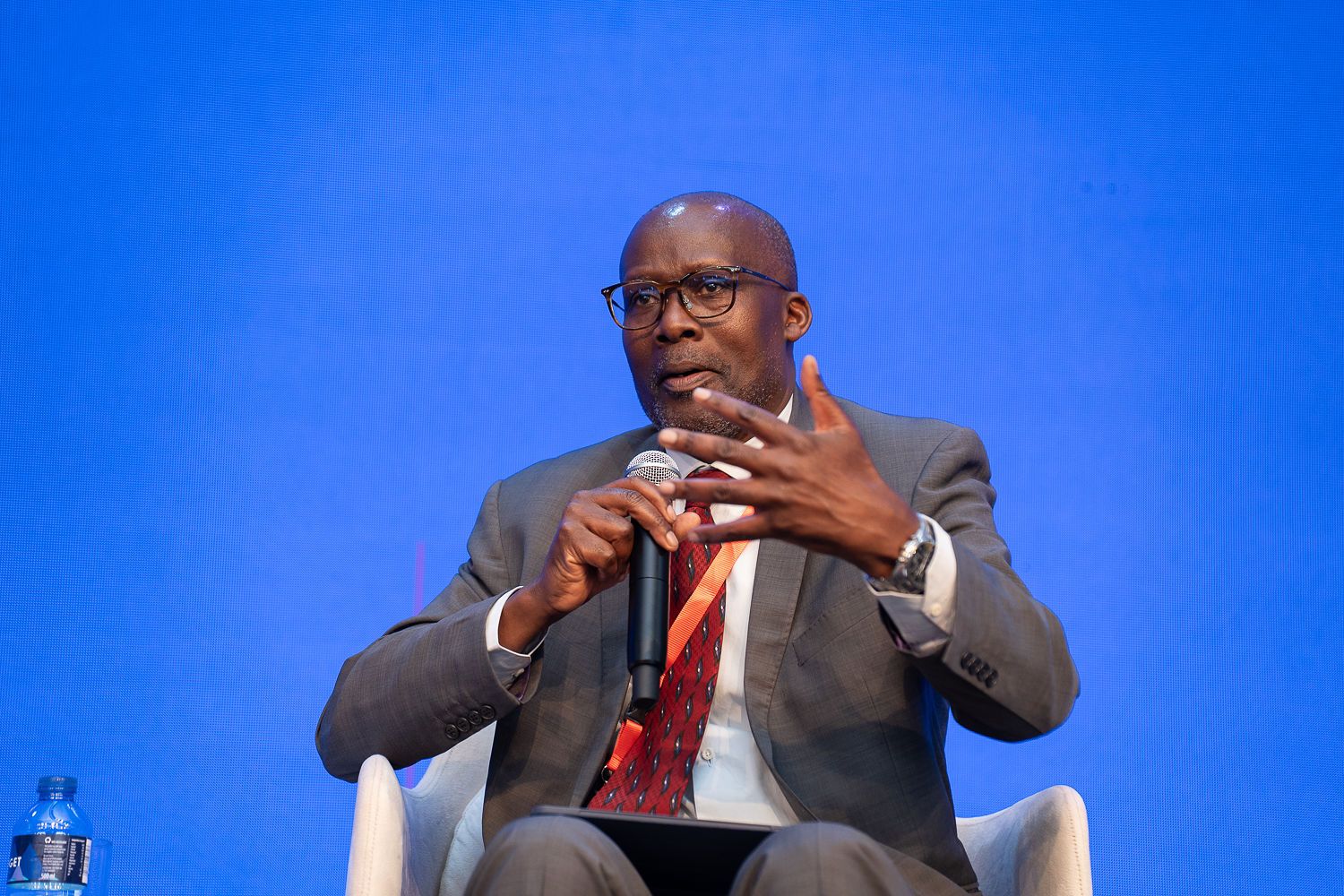
Nairobi, 10 September 2026: Trade Catalyst Africa (TCA) Chief Executive Officer Duncan Onyango told a strategic dialogue at the AmCham Business Summit 2026 that Africa’s real constraint on investment is not a shortage of capital, but a shortage of projects prepared well enough for investors to price and back.
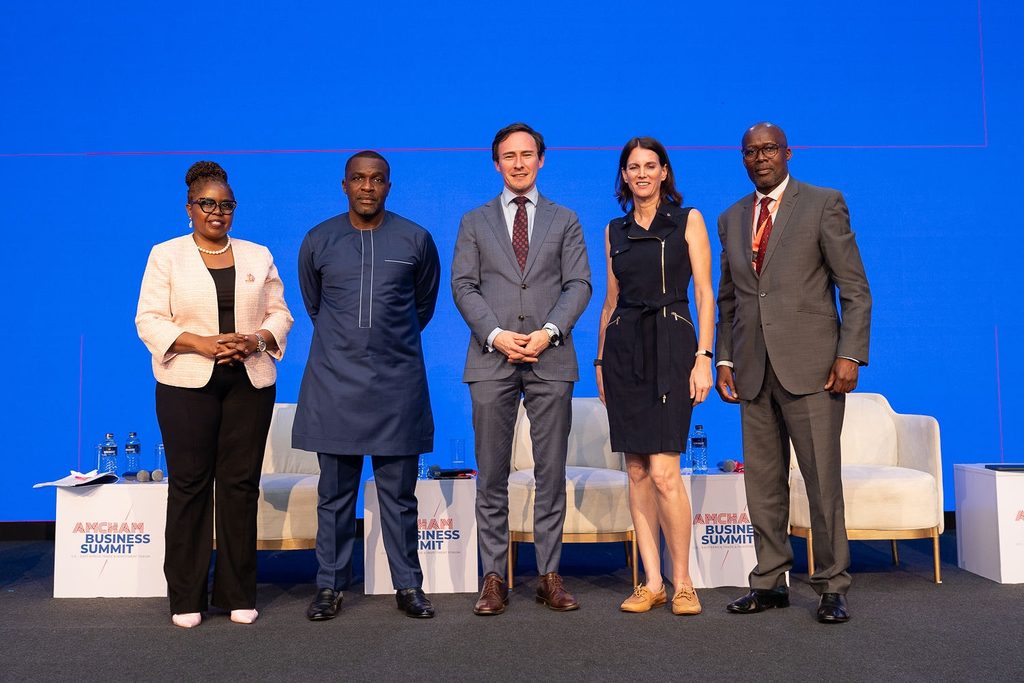
The panel, “From Rules of Origin to Capital Flows: What Drives U.S. Investment Decisions?”, examined why trade opportunities in Africa do not always convert into investment. Duncan’s answer centred on a gap governments and financiers hear about less often than they should: a project can be economically necessary and still not financially viable, and treating the two as the same thing is where most trade infrastructure stalls.
“We sometimes encounter a difference between a project that is economically necessary and one that is financially viable,” Duncan told the panel.
An investable project needs a defined source of demand, a workable revenue model, and a clear allocation of risk. It also needs credible information on land, utilities, regulation, operating costs and the willingness of users to pay. Without that groundwork, an infrastructure need stays hard for investors to assess or price.
TCA has tested that approach on the ground with truck parking and support facilities along regional trade corridors. Work began with feasibility assessments: what causes delays, which government agencies operate at each border, what land and utilities a new facility would need, and how much demand to expect. That preparation turned congestion from a trade complaint into a defined facility that freight operators and transporters could use and pay for, giving TCA the basis to size the investment needed and design a project and financing structure to match.
The same thinking sits behind TCA’s exploration of express processing at priority border crossings, including Malaba. Businesses and consignments with strong compliance records could move from origin to destination with fewer inspections and more predictable processing, while other users continue through existing channels, which are being upgraded in parallel. It is a small operational change with an outsized effect: predictability at the border lowers costs for traders and is one of the factors investors weigh most heavily when deciding where their capital goes.
TCA is also close to launching a digital finance platform for women-led businesses that conventional lenders overlook, built with the Trade and Development Bank and the Mastercard Foundation. The supply-chain finance side is already live. The last-mile product was delayed after TCA discovered, mid-build, that it needed a digital credit licence and had to bring in a licensed partner to comply. It is now close to launch, starting with a small initial group before it scales.
Duncan said this groundwork is what lets conversations with United States and other investors move from general infrastructure needs to specific projects with known demand, costs and participation structures. Rules of origin can widen the market a business can sell into, but they cannot make a corridor efficient, a border predictable, or a lender confident in a borrower with no collateral. That is the work TCA does corridor by corridor, border by border and loan by loan, so an investable project is waiting when the market access AfCFTA promises finally arrives.
TradeMark Africa convened the session as Knowledge Partner. Allen Sophia Asiimwe, TradeMark Africa’s Deputy CEO and Chief of Programmes, moderated the panel, which also included Jeanah Lacey of the U.S.-Africa Trade Desk, James Woodward of KPMG Africa, and George Olaka of ARISE IIP.
Authored by Eve Muthoni.